

Lido: Selvedge, ½x½" Confetti, Whitewash, Matte
Best Non-Slip Outdoor Tiles for Patios, Pools, and Walkways
Outdoor spaces should be both beautiful and safe, and for designers and architects, selecting the right flooring is an art as much as it is a science. That’s why we’re exploring eight of the best non-slip outdoor tiles, all of which combine durability, water resistance, and aesthetic appeal.
Whether you’re advising a client on a pool area upgrade or reimagining a patio with outdoor floor tiles, understanding the unique qualities of each tile option is essential. Read on for a journey through textured porcelain, naturally slip-resistant terracotta, classic travertine, and more—every one a popular choice for outdoor use.


What Makes an Outdoor Tile Truly Slip-Resistant?
Before choosing the best non-slip outdoor flooring tile for patios, pools, or walkways, it helps to understand how slip resistance is measured—and what actually matters for real-life use. In simple terms, you’re looking for outdoor floor tiles that provide enough texture or grip underfoot, especially when wet, without sacrificing comfort or style.
Two common ratings to know are R-ratings and DCOF. R-ratings (R9–R13) come from a European standard and indicate how slip-resistant a tile is underfoot—R11 or higher is generally recommended for outdoor wet areas like pool decks or showers. DCOF (Dynamic Coefficient of Friction) is a U.S. standard that measures how much traction a surface provides when walked on; for exterior wet spaces, a minimum DCOF of 0.55 is typically the benchmark. You don’t need to memorize the numbers, but knowing these thresholds helps you quickly identify tiles designed for safer outdoor use.
As well as ratings, finish plays a big role. Slip-resistant outdoor tile materials with matte, textured, tumbled, or cleft surfaces tends to offer better grip than polished ones, especially when exposed to water. The goal is to choose a tile that balances traction, durability, and comfort—so your outdoor space feels as safe as it is beautiful.
For more on this topic, see zellige and subway tile compared for wet outdoor spaces.
8 Best Non-Slip Outdoor Flooring Options
Outdoor tiles come in many forms, and finding the ideal choice for your project means balancing design, function, and the unique demands of exterior use. Here are eight non-slip tile options to consider, each with its own charm and practical benefits.
1. Textured Porcelain Tiles
Textured porcelain tiles are a go-to choice for patios, pool decks, and walkways thanks to their balance of slip resistance, durability, and low maintenance. Unlike polished surfaces, outdoor-rated porcelain is finished with a matte or structured texture that creates micro-grip underfoot—helping reduce slips even when wet. Many options meet R11 or higher, making them well-suited for exterior wet areas where traction is essential.
Porcelain’s performance comes from how it’s made: dense, fine clay fired at extremely high temperatures creates a nonporous, water-resistant surface that won’t easily absorb moisture, stain, or crack. This makes porcelain (especially those featuring matte grip options) ideal for pool surrounds, high-traffic patios, and climates with freeze-thaw cycles, where more porous materials can struggle.
One key consideration is selecting the right finish—some porcelain tiles are made for indoor use and may be too smooth outdoors, so it’s important to choose products specifically rated for exterior applications. While porcelain can feel firmer underfoot than softer materials, its long-term durability, consistent traction, and resistance to the elements make it one of the most reliable choices for outdoor living spaces.
2. Naturally Slip-Resistant Terracotta
Terracotta tiles offer natural slip resistance while bringing warmth and rustic charm to outdoor spaces. Their earthy tones and sunbaked character make them especially appealing for patios, balconies, and pool surrounds—but for exterior use, it’s important to choose unglazed terracotta, which retains a naturally textured, grippy surface underfoot.
In addition to their aesthetic appeal, terracotta tiles perform well outdoors when properly installed and maintained. Because they are more porous than materials like porcelain, they require sealing to improve water resistance and protect against staining—especially in areas exposed to frequent moisture. In milder or dry climates, terracotta ages beautifully and develops a patina over time; in freeze-thaw climates, extra care is needed, including high-quality sealers and proper drainage, to prevent cracking.
Our terracotta collection is designed with these considerations in mind, offering unglazed options that combine traditional craftsmanship with outdoor durability. With the right sealing and care, terracotta delivers a unique balance of traction, character, and timeless Mediterranean-inspired style.

3. Classic Travertine for Sunny Pool Decks
Classic travertine is a natural stone prized for its timeless elegance and relaxed, Mediterranean feel. For outdoor use—especially around pools—it’s important to choose a tumbled finish, which enhances traction with a softly textured surface. (Honed or polished travertine is smoother and better suited for interiors.) When properly sealed, a tumbled travertine pool deck provides a slip-resistant surface that performs well even when wet.
Beyond safety, travertine offers practical comfort and visual appeal. Its naturally porous structure helps it stay cool underfoot in direct sun, making it ideal for pool decks and patios in warm climates. The subtle variation in tone—ranging from creamy beige to rich red—adds organic depth that works across both modern and traditional designs. Our Pemberley Pavers collection captures this look with a durable, outdoor-friendly approach.
Considering climate is crucial: travertine performs best in milder or warm environments. In regions with frequent freeze-thaw cycles, its porosity can make it more vulnerable to cracking if not properly installed, sealed, and maintained. With the right application, however, tumbled travertine delivers a balance of grip, comfort, and understated luxury that’s hard to replicate.
4. Cement Tiles with Functional Grip
Cement tiles offer a unique blend of artistry and performance that works beautifully in outdoor settings. Available in a wide range of patterns, colors, and finishes, they can act as a focal point on patios, pool surrounds, or outdoor showers while still delivering practical slip resistance. Their grip comes from a naturally matte, slightly porous surface, which creates traction underfoot—especially compared to smoother, glazed materials.
They’re also well-suited for areas where water and foot traffic intersect, such as outdoor shower tile ideas or entertaining zones, thanks to their density and durability when properly installed and sealed. Our Cement collection highlights this balance of design and function, offering fluted surfaces and color ranges that are both expressive and performance-minded.
Remember that cement tiles are not typically recommended for freeze-thaw environments, as moisture absorption can lead to cracking in colder conditions. With proper sealing and use in the right setting—such as covered patios or warmer climates—they provide a long-lasting, slip-resistant surface that brings both texture and visual impact to outdoor spaces.
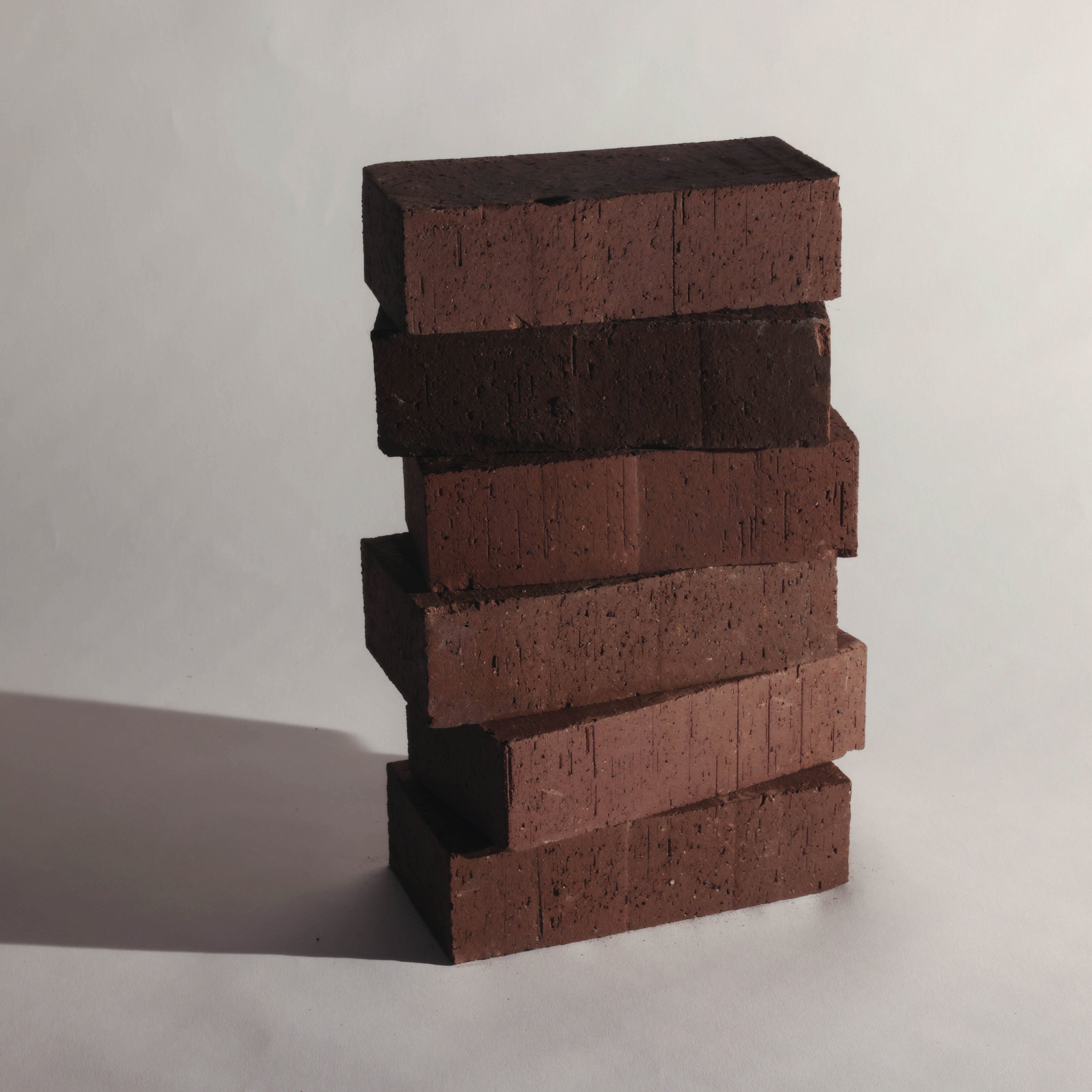
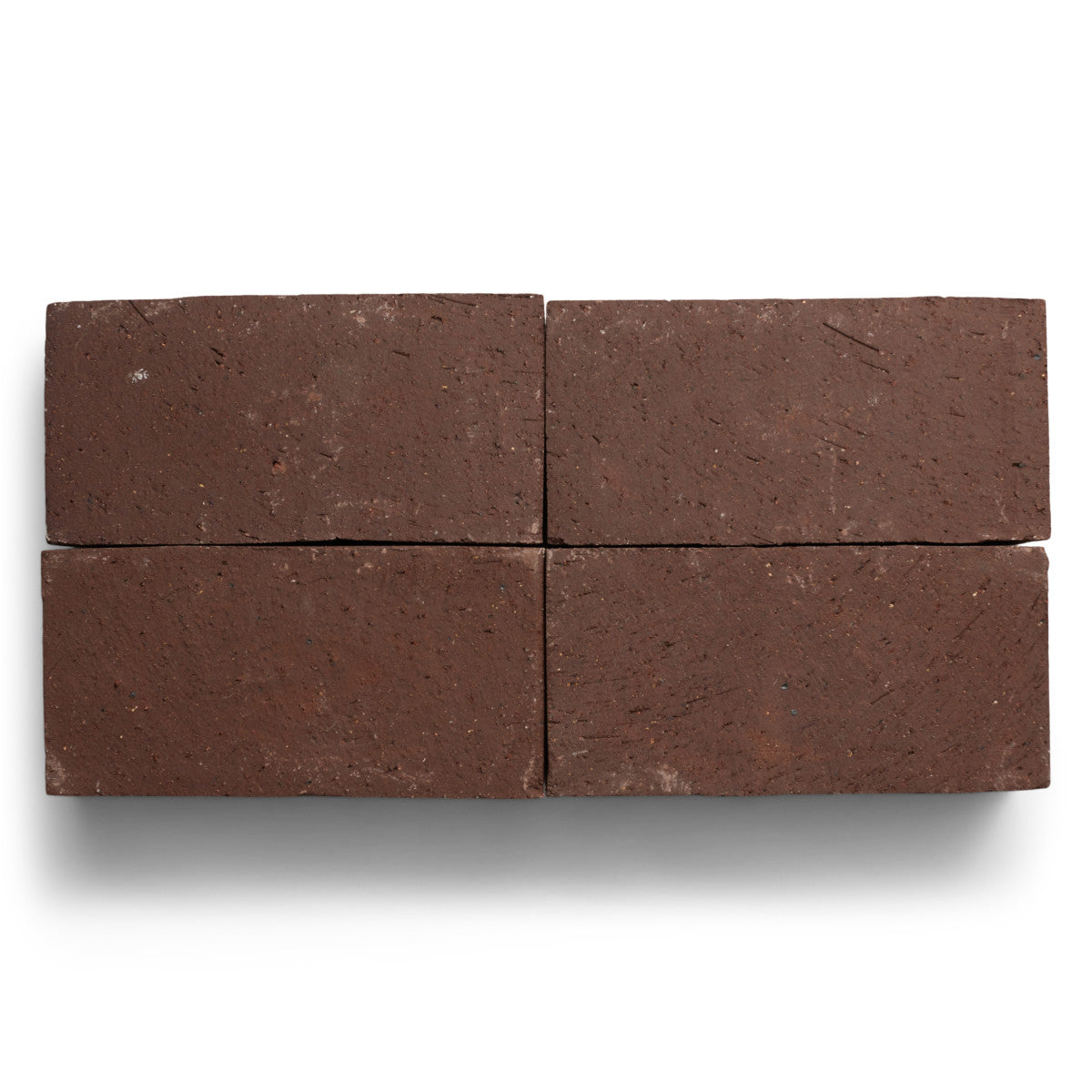
5. Brick Tiles for Natural Traction
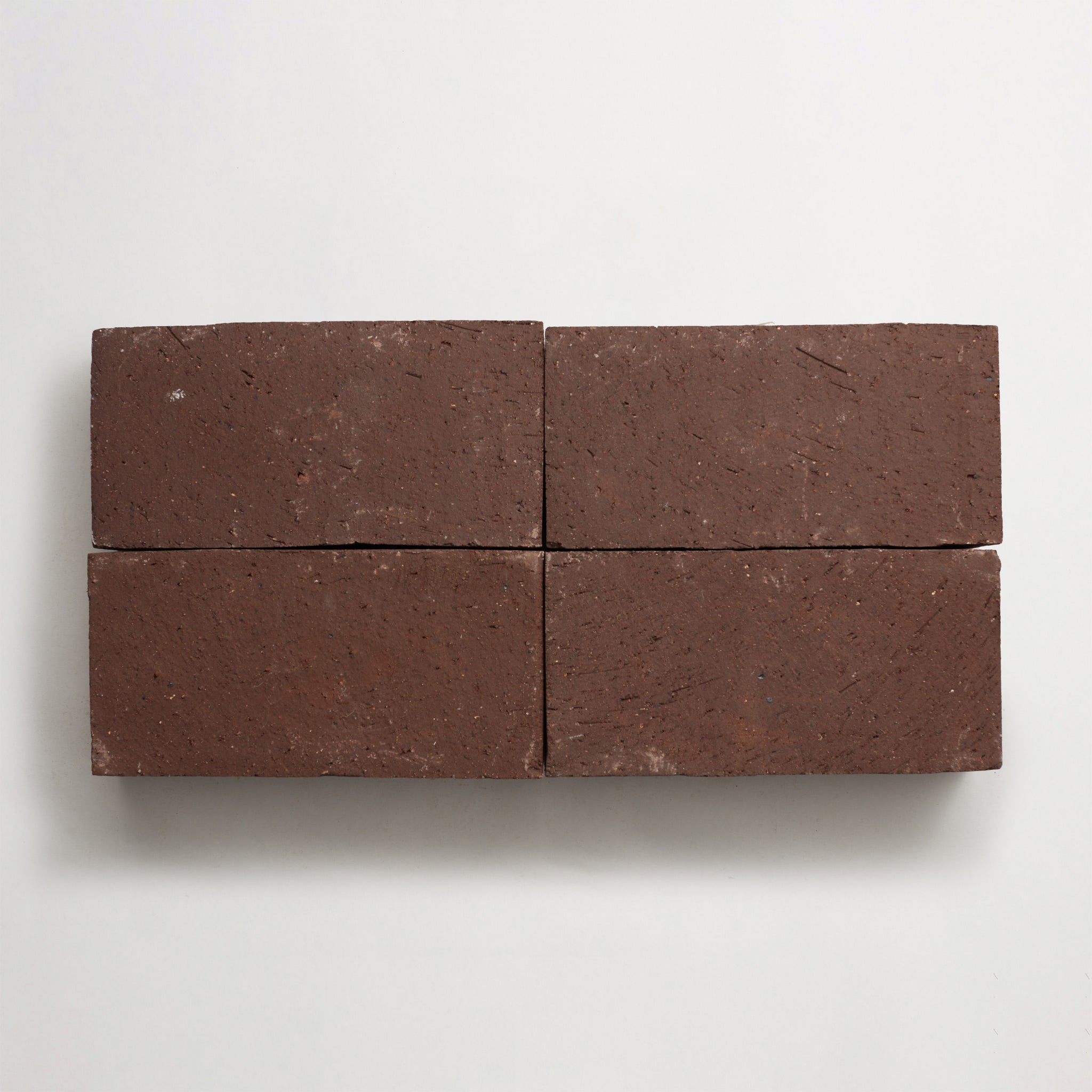
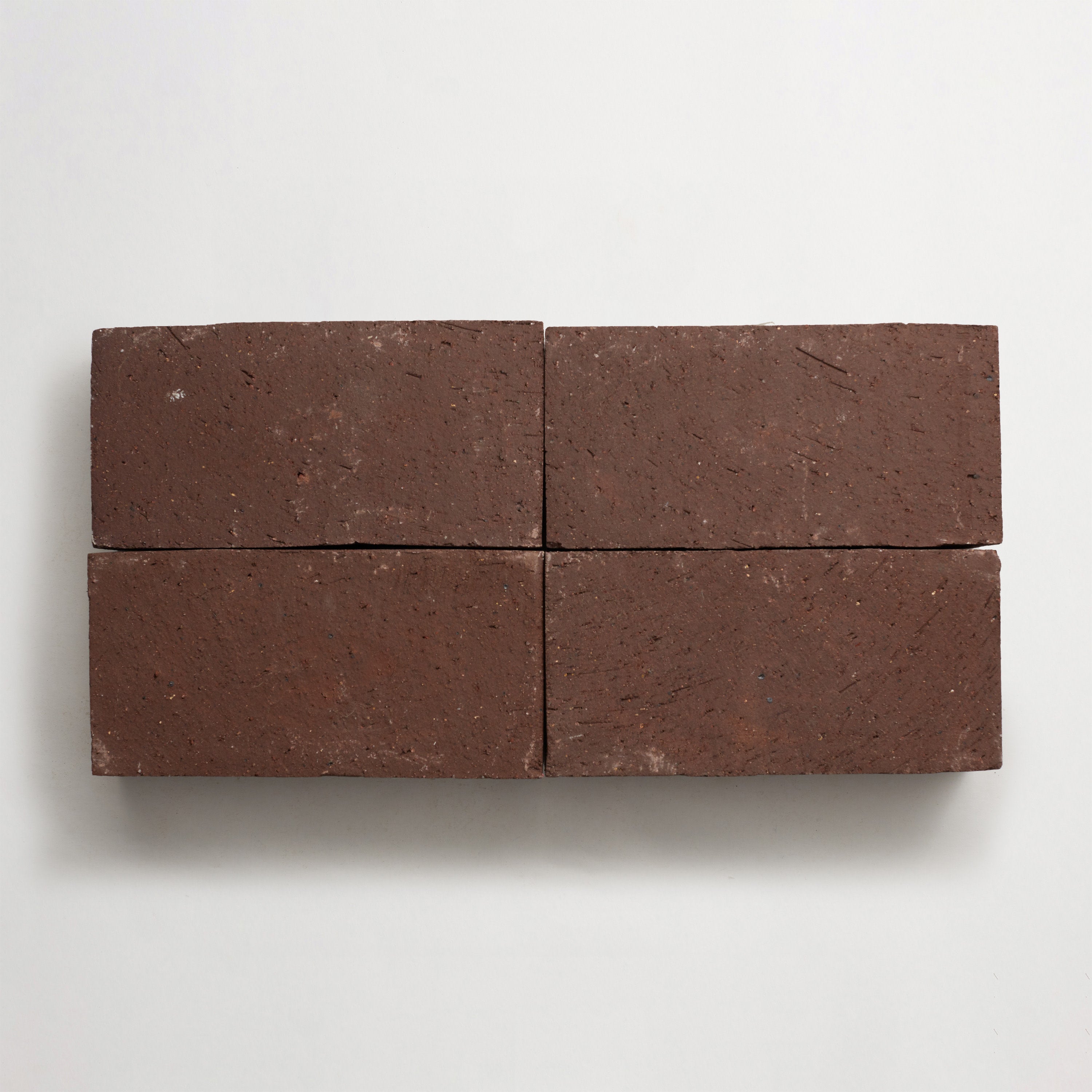
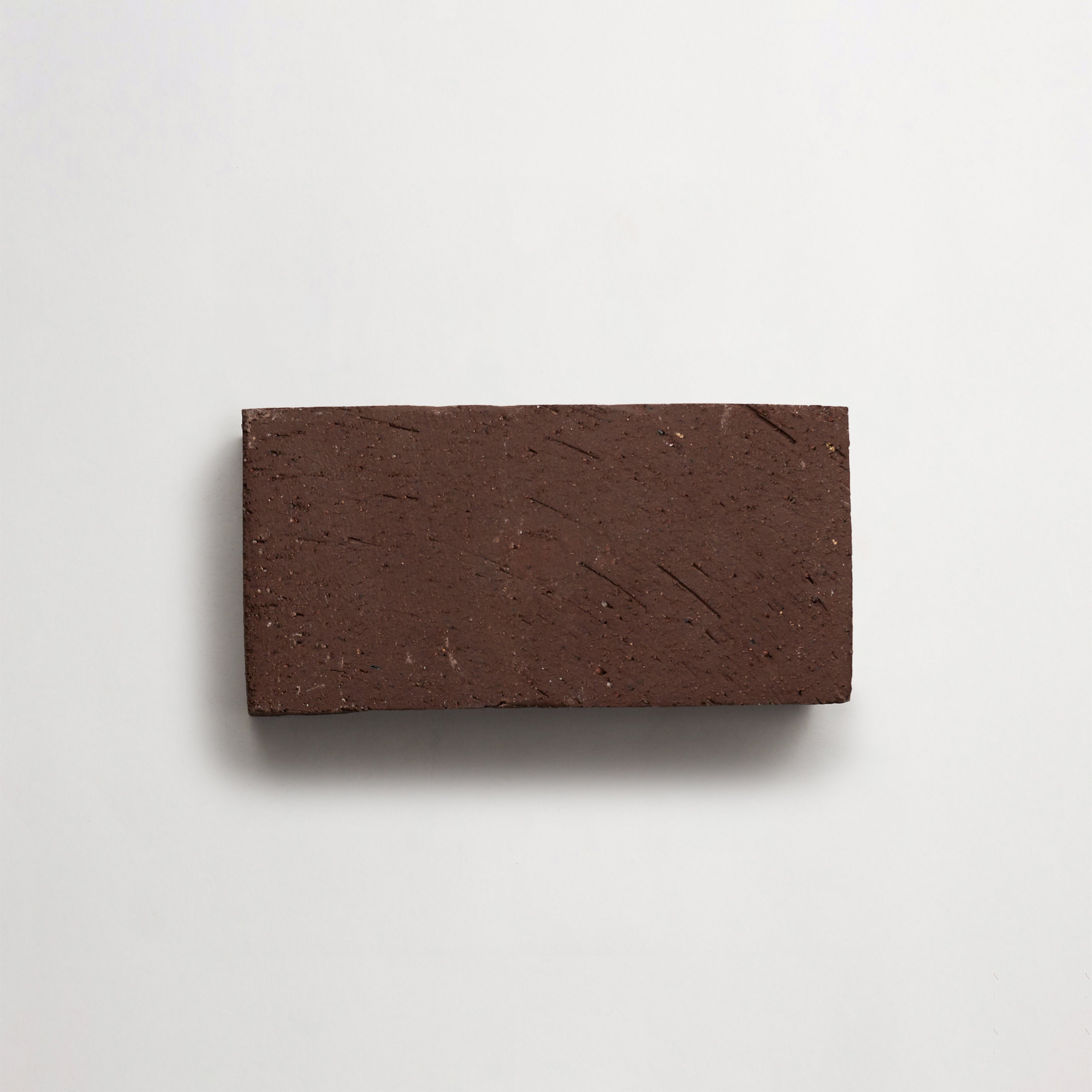
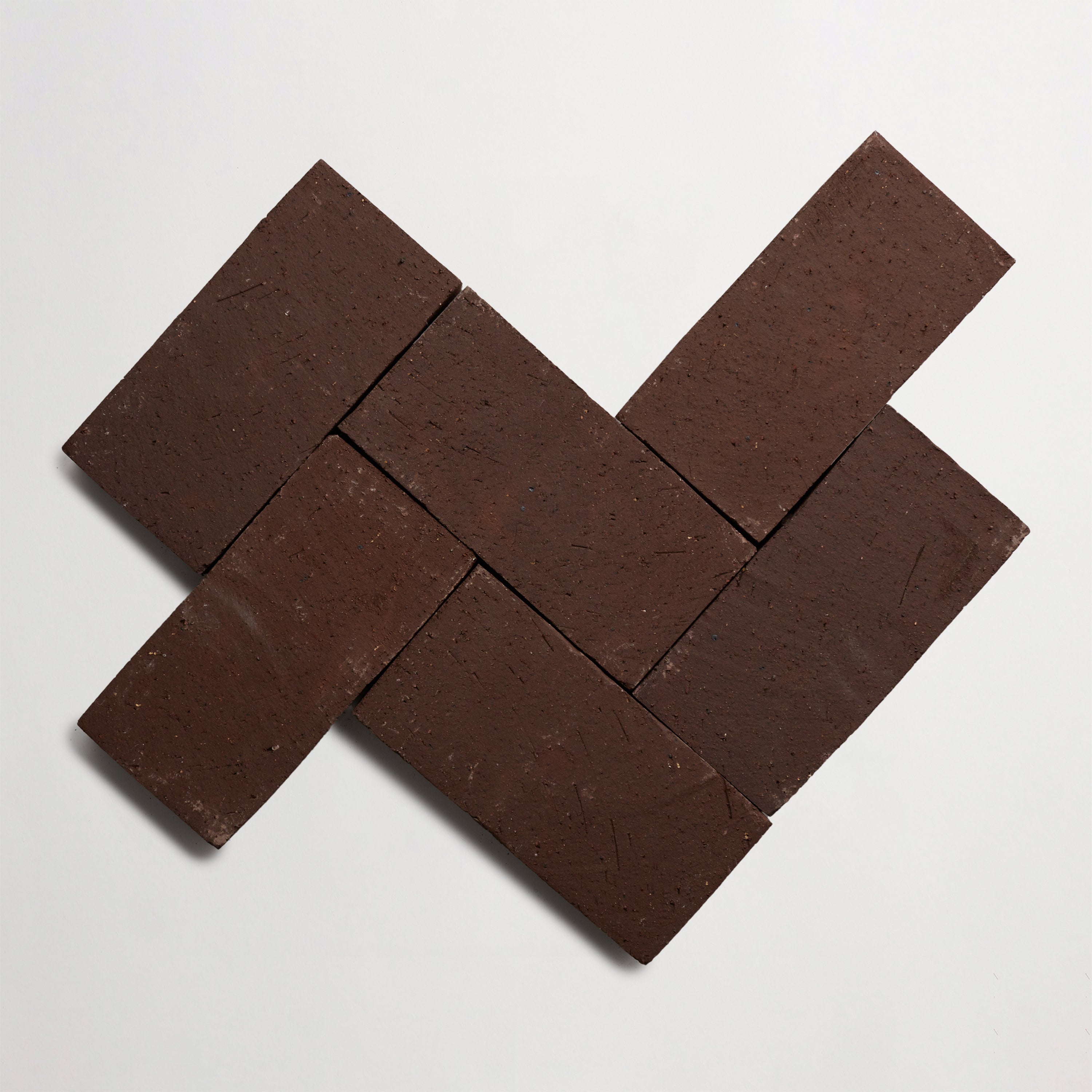
Brick tiles have been a staple in outdoor design for centuries, valued for their natural traction, durability, and timeless character. Their slightly rough, fired-clay surface creates dependable grip underfoot, making them a smart choice for patios and pool decks (and they make the best walkway pavers) where moisture is a factor. This inherent texture helps reduce slickness when wet, offering a reliable, slip-resistant surface without the need for added treatments.
Performance aside, brick brings exceptional design versatility. From classic running bond and herringbone to more contemporary stacked or grid layouts, brick tiles can shift seamlessly between rustic, traditional, and modern aesthetics. Their warm spectrum of tones—ranging from deep reds to sun-washed terracottas—adds depth and variation, while subtle surface irregularities create a handcrafted, lived-in feel that elevates even simple outdoor spaces. The OUTERclé Brickworks collection showcase this range, offering nuanced color variation and formats that work beautifully across styles.
Brick is also highly resilient in outdoor environments, standing up well to foot traffic and a range of weather conditions when properly installed. In freeze-thaw climates, proper drainage and installation are key to long-term performance. Overall, brick tiles offer a rare combination of grip, longevity, and aesthetic flexibility, making them one of the most dependable and design-forward options for outdoor flooring.


FezBrick, 1x8" Amulet, Natural, Unfinished. Photo courtesy of Kajetan Powolny.
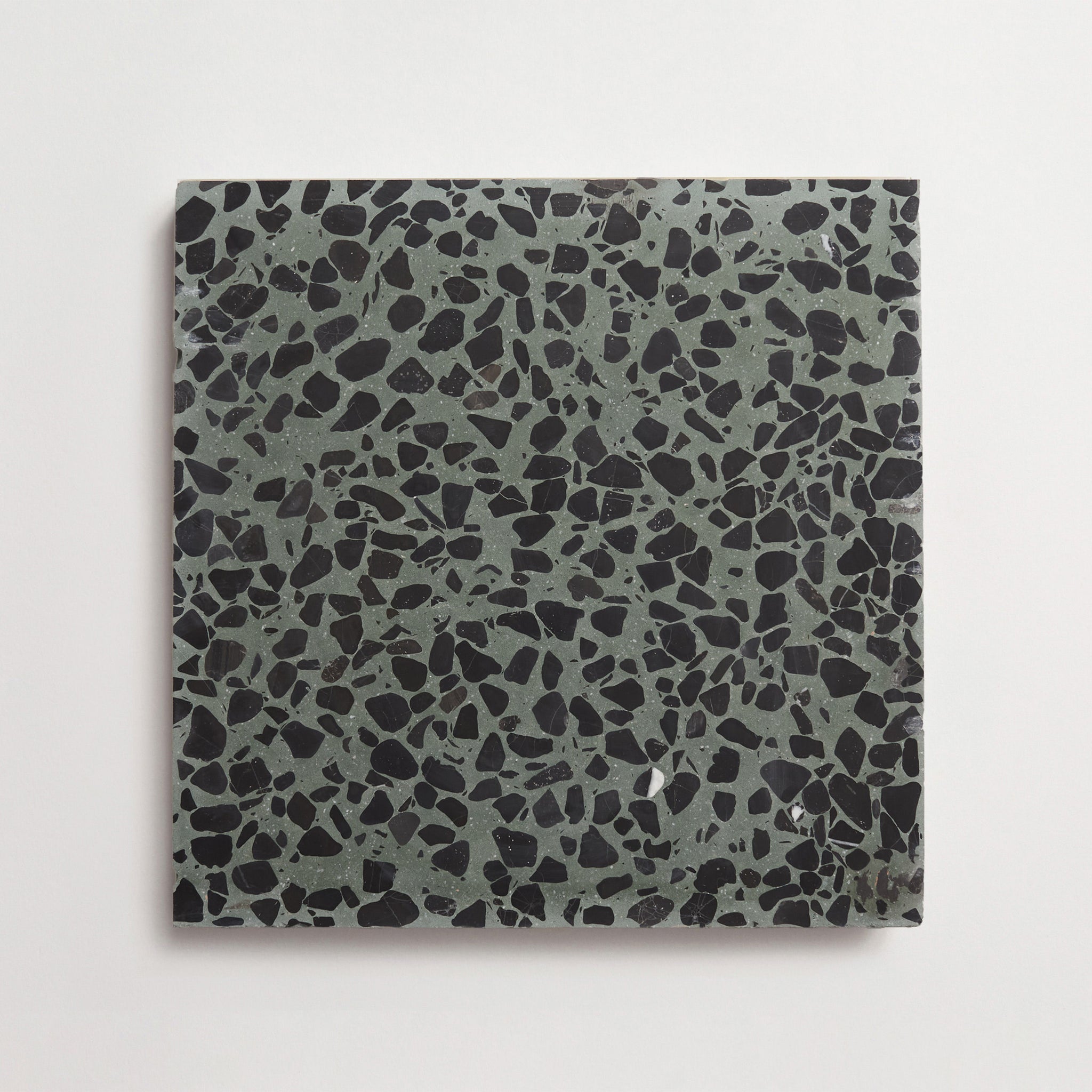
6. Terrazzo for Artistic Appeal
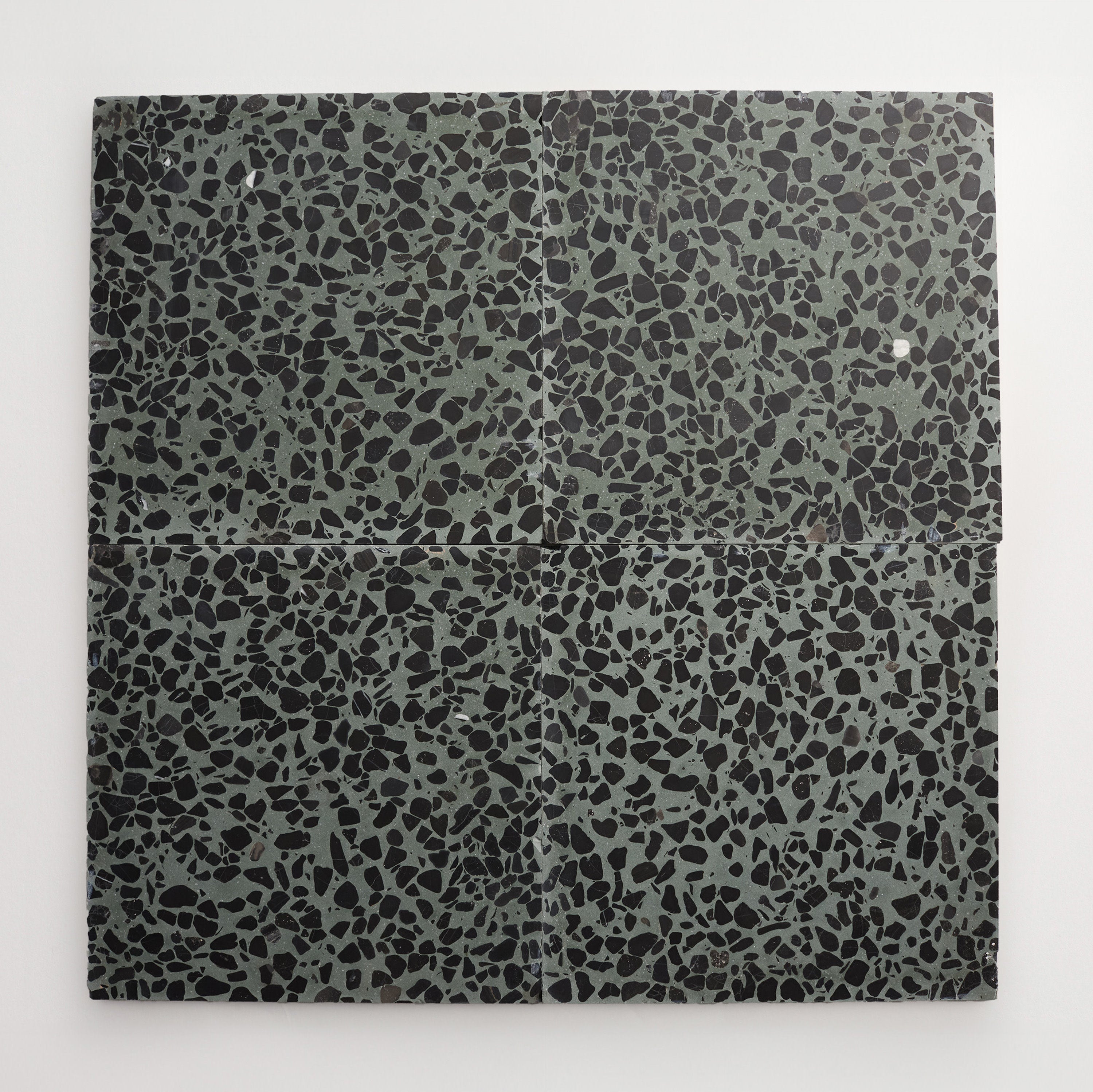
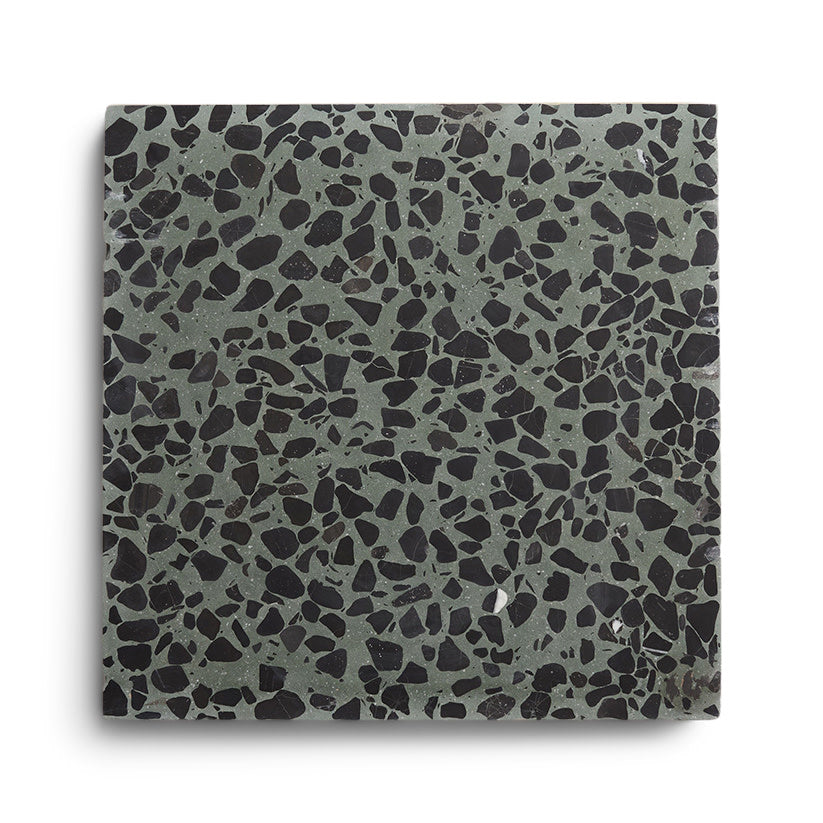
Terrazzo tiles have seen a renaissance in modern design, offering a distinctive blend of artistry and performance. Made from a mix of marble, quartz, granite, or glass chips set in a cementitious base, terrazzo delivers rich variation and a one-of-a-kind surface that stands out in outdoor settings like patios, pool decks, and terraces. For exterior use, it’s important to choose exterior-grade terrazzo, which is specifically formulated to handle moisture, temperature changes, and UV exposure.
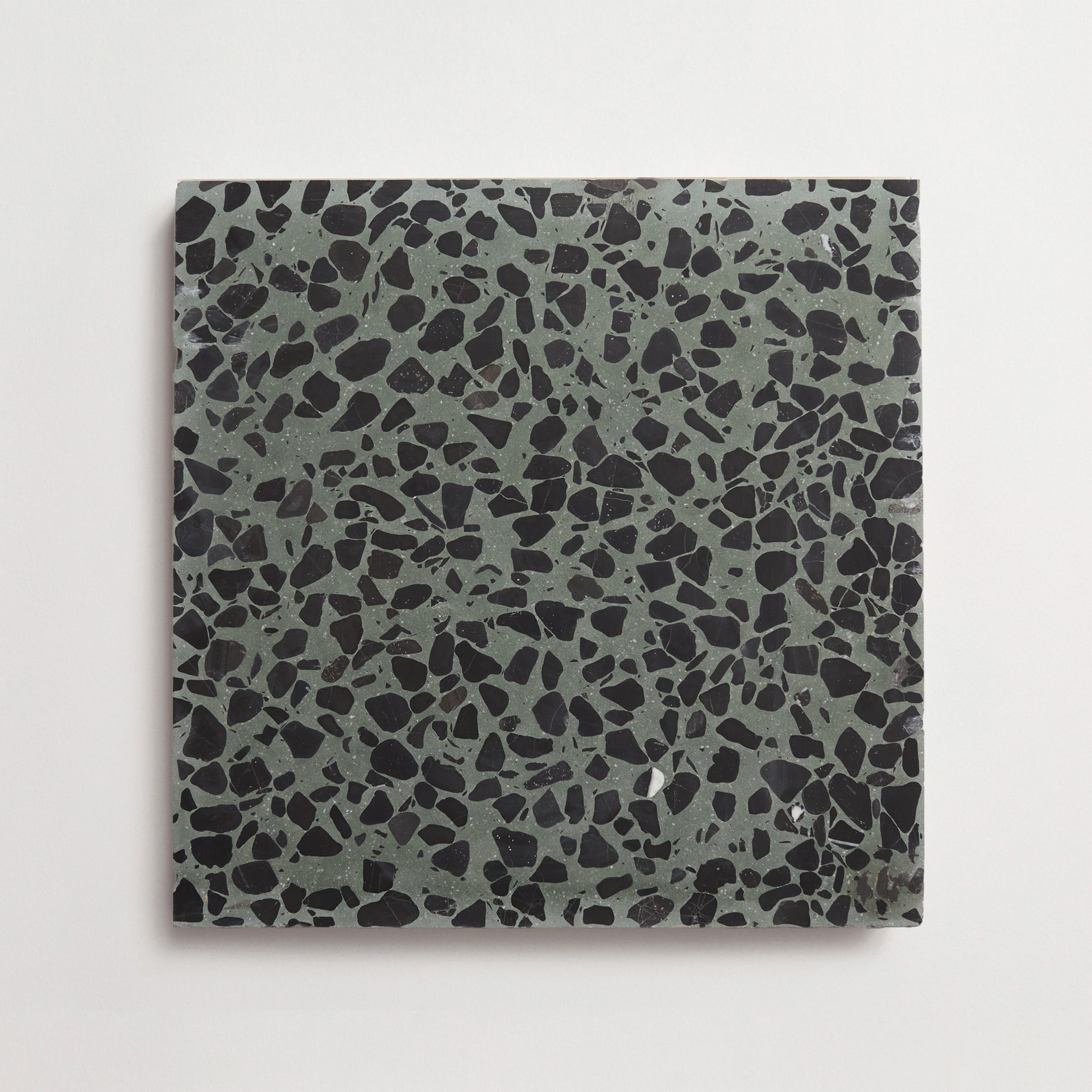
On top of aesthetics, terrazzo can provide reliable slip resistance when finished appropriately. Outdoor-rated options typically feature a matte or lightly textured surface, allowing the embedded aggregates to contribute subtle grip underfoot—even in wet conditions. This makes terrazzo especially well-suited for covered patios, outdoor kitchens, and poolside zones where you want both performance and a more refined, design-forward look. OUTERclé Dolce Vita Terrazzo highlight this balance, combining durability with a polished, contemporary aesthetic.
Terrazzo outdoor tile also offers strong resistance to wear, staining, and weather when properly installed and sealed. Finish is important—highly polished terrazzo is better reserved for indoor use, while outdoor flooring applications should prioritize slip-resistant textures. With the right specification, terrazzo delivers a unique combination of durability, safety, and visual impact that elevates outdoor living spaces.
7. Natural Slate with Organic Texture
Natural slate tiles are synonymous with organic beauty and rugged durability, making them a standout choice for patios, pool areas, balconies, and walkways. Their naturally cleft (textured) surface provides built-in traction, often achieving the equivalent of R11–R12 slip resistance without the need for added coatings. This inherent grip makes slate one of the best deck tiles for pool areas, where safety is a top priority.
Slate also brings rich visual depth through its layered structure and tonal variation—ranging from charcoal and graphite to rust, green, and blue undertones. This makes it especially versatile for design pairings: it works beautifully with modern settings when paired with clean lines and metal finishes, and equally well in rustic or traditional spaces alongside wood, terracotta, or natural landscaping. The texture also adds a tactile quality underfoot, enhancing both comfort and visual interest in smaller outdoor areas.
Slate is highly durable and weather-resistant, standing up well to moisture, temperature shifts, and heavy foot traffic when properly installed. Its combination of natural slip resistance, strength, and timeless character makes it a dependable, design-forward choice for exterior flooring.
8. Outdoor Ceramic with Anti-Slip Glaze
Outdoor ceramic tiles (which, granted, are often porcelain) have long been favored for their durability and ease of maintenance—but not all ceramic is created equal. Standard interior ceramic tiles tend to have smoother, more porous surfaces that aren’t designed for exterior exposure. For outdoor use, it’s essential to choose exterior-rated ceramic or porcelain with a matte, anti-slip finish, often engineered with micro-textures or grip glazes that improve traction underfoot.
These outdoor-rated options are specifically designed to handle moisture, temperature changes, and heavy foot traffic. Their lower porosity (especially in porcelain) helps prevent water absorption, while the textured or matte surface provides reliable slip resistance—even in wet conditions. This makes them a strong choice for patios (check out these small patio tile ideas), pool decks, and walkways where safety and performance are critical. Products like our Lido with matte grip finish exemplify this balance of durability and traction.
Because they’re built for exterior environments, these tiles perform well across a range of climates, including areas with rain or freeze-thaw cycles (when properly installed). The key is selecting the right specification—look for outdoor-rated, slip-resistant finishes rather than standard glazed ceramics—to ensure long-term safety and performance in your outdoor space.

What is the Best Non-Slip Tile for Your Outdoor Project?
Aesthetic appeal is only one factor when choosing the best non-slip outdoor tile. Designers and architects also have to make other considerations — from climate to installation location — to ensure that the chosen material meets the specific needs of the project.
Climate Considerations
The local climate plays a crucial role in determining which outdoor tiles are best suited for a project. In regions that experience harsh weather conditions, freeze-thaw rated tiles with excellent water resistance are essential. Porcelain tiles, in particular, are known for their ability to withstand both freezing temperatures and intense heat, making them a popular choice for outdoor spaces. (Just keep in mind that cutting porcelain tile without chipping is best left to a professional installer.)
On the other hand, natural stone tiles such as travertine, slate, and terracotta may require more frequent maintenance to ensure optimal weather resistance. These types of tiles generally need proper sealing and care to protect them from the elements.
When advising clients, be sure to balance the design vision with practical considerations such as safety and durability in the face of varying weather conditions. If you’re deciding between a marble vs travertine pool deck, for example, you may want to suggest that tumbled travertine tends to offer increased slip resistance and safety. By evaluating the climate, you can recommend tiles that not only enhance the outdoor design but also promise longevity and sustained performance.
Quick climate quide:
- Cold / freeze-thaw climates: Porcelain (best-in-class), textured stone with proper sealing (use caution)
- Hot / sunny climates: Travertine (stays cool), light-colored porcelain, terracotta
- Humid / wet climates: Porcelain (low porosity), slate (naturally slip-resistant), sealed stone
Creating Cohesion with Your Aesthetic
Every element of a project should contribute to a cohesive design narrative. The best tile is one that integrates seamlessly with the overall aesthetic of the outdoor space, whether it’s a modern patio, a serene pool area, or a lively terrace. Consider how color, texture, and pattern interact with surrounding elements like water features, furnishings, and vegetation to create a unified visual story.
Instead of thinking of tile in isolation, it helps to anchor choices to a clear style direction—for example, cement tile in Mediterranean-style courtyards for a patterned, artisanal feel; natural slate in minimalist outdoor spaces where texture and tonal variation take priority; or light, anti-slip porcelain in contemporary pool areas where clean lines and performance matter most. These pairings ensure the surface supports the broader design intent rather than competing with it.
Across all approaches, the interplay of light and shadow on textured surfaces adds depth and movement, while variation in pattern and finish creates a dynamic yet cohesive backdrop for outdoor living.
Evaluating the Installation Location
Where the tile will be installed is another critical factor when determining the best material for a project. Whether it’s a pool deck, patio, or walkway and set of stairs, each area brings its own demands in terms of water exposure, foot traffic, and environmental conditions. A pool deck, for example, requires high slip resistance and water-friendly finishes, while stairs and walkways demand consistent traction and durability under repeated movement and impact.
The installation location also naturally shapes design decisions. Pool areas often benefit from lighter tones and textured finishes that stay cooler and improve grip, while patios can support bolder patterns or more expressive layouts that define gathering spaces. Walkways and steps, on the other hand, tend to work best with cohesive, directional layouts that prioritize clarity and safety underfoot.
For any application, choosing the right tile is only part of the equation—professional installation is essential to ensure proper slope, drainage, spacing, and long-term performance, especially in exterior environments where water and weather are constant factors. When material and installation are aligned with the specific site conditions, the result is a surface that is both visually intentional and built to last.
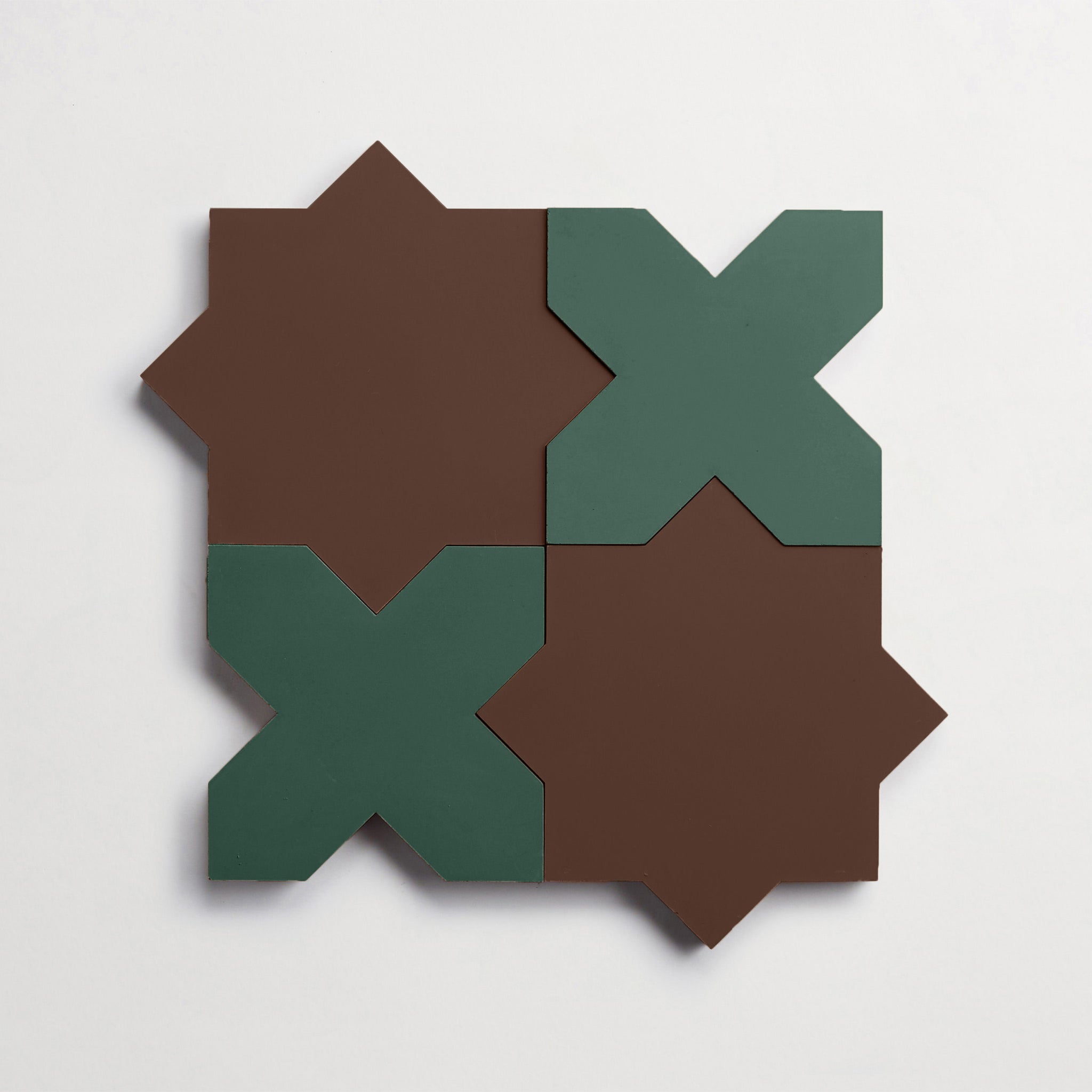
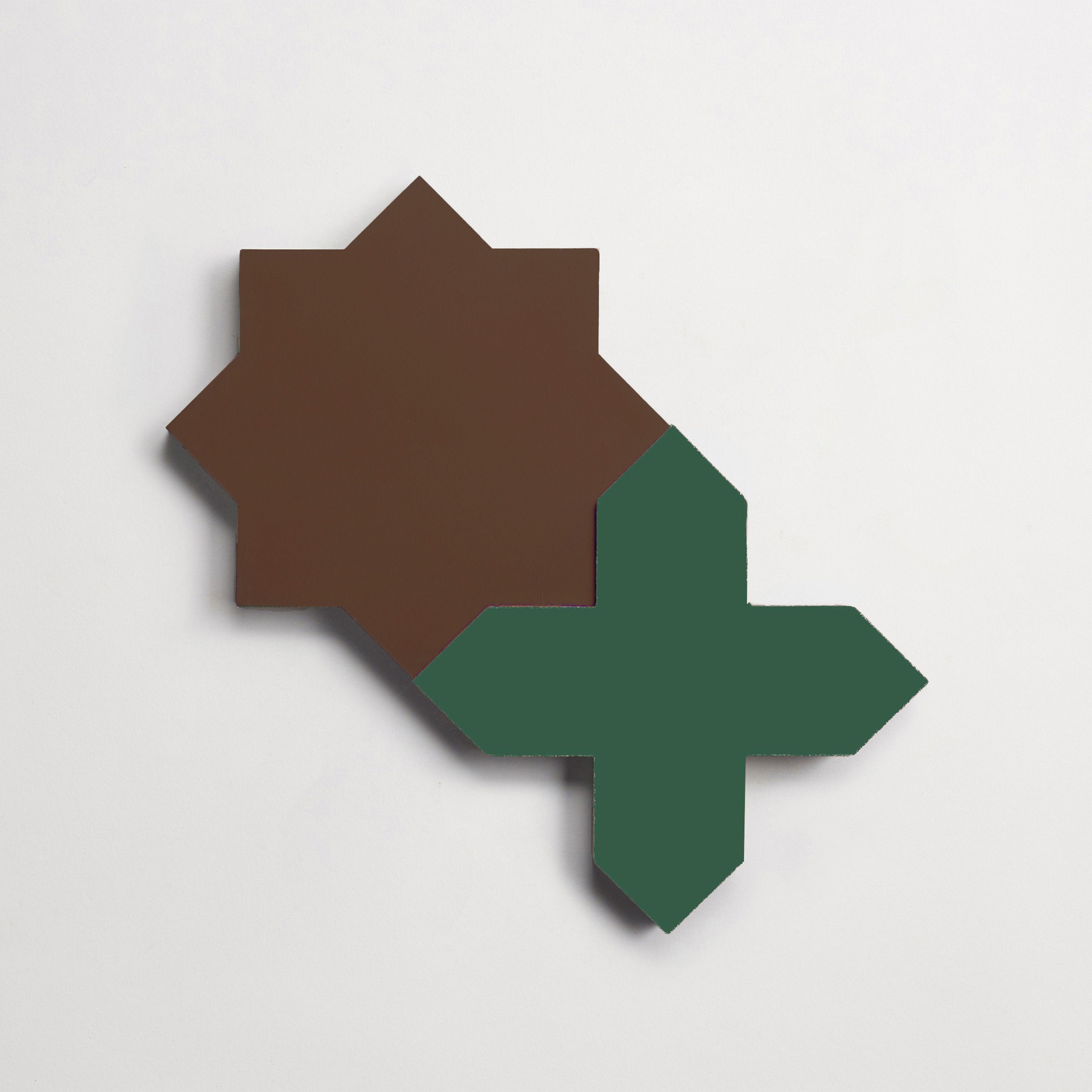
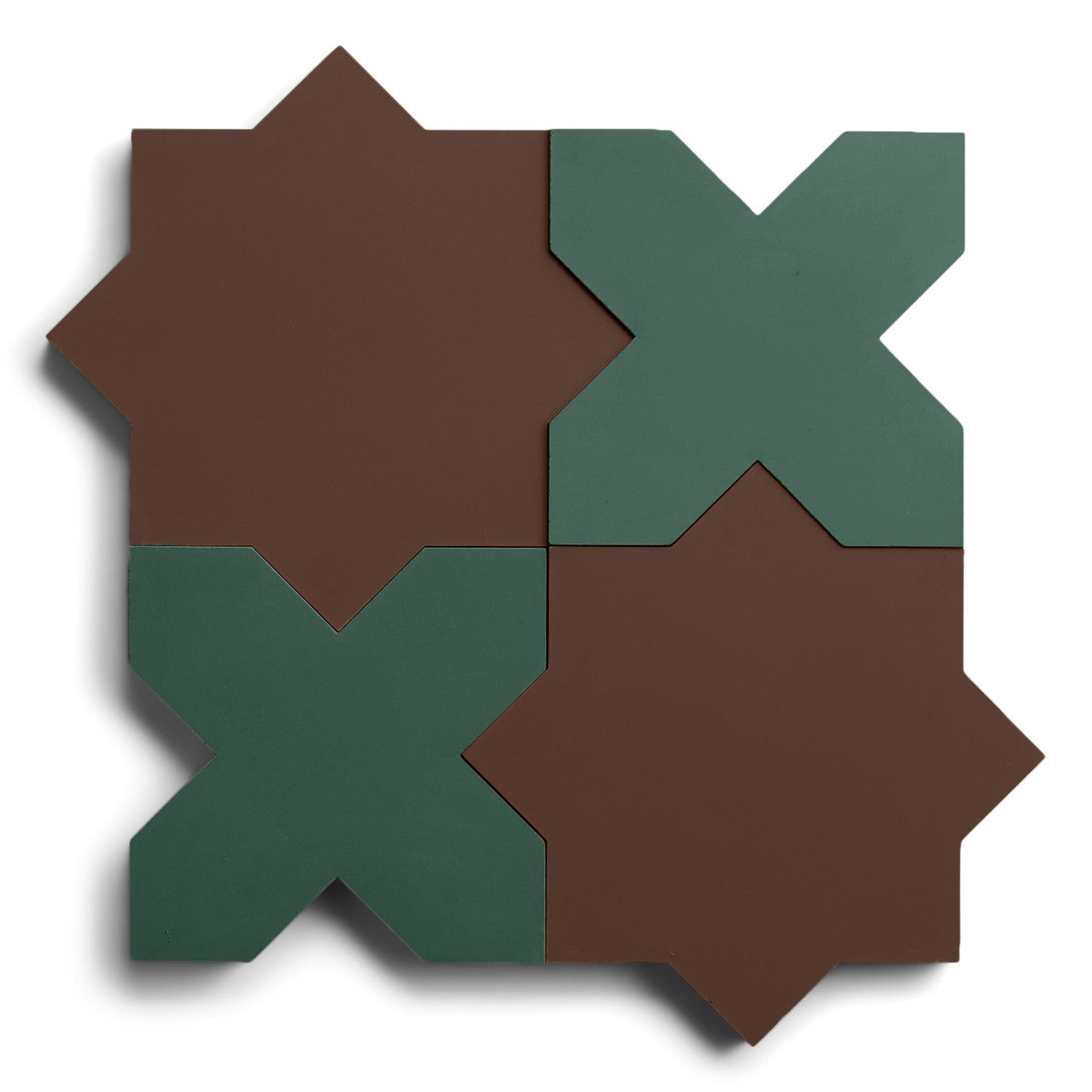
Colorway
-
Chestnut + Forest
Collection
-
Pavimenti
:
Sub Collection
-
Savoy
Material
Length
-
4
" x
Width
-
4
" x
Thickness
-
¼
"
Unit of Measurement
-
sqft
/
Price per Unit
$
Colorway
-
Cordovan Saddle
Collection
-
BrickWorks
:
Sub Collection
-
Righe
Material
Length
-
4
" x
Width
-
16
" x
Thickness
-
¾
"
Unit of Measurement
-
sqft
/
Price per Unit
$
Colorway
-
Foglia
Collection
-
Dolce Vita Terrazzo
:
Sub Collection
-
Torrone I
Material
Length
-
8
" x
Width
-
8
" x
Thickness
-
⅞
"
Unit of Measurement
-
sqft
/
Price per Unit
$